What To Do If Your Car Dies On Highway 1 In Burnaby
Learn how to safely manage a vehicle breakdown on the busy Highway 1 corridor through Burnaby to keep yourself and other drivers safe.
Experiencing a sudden vehicle breakdown while navigating the heavy traffic on Highway 1 through Burnaby can be a stressful and hazardous event. The speed of surrounding traffic and the limited space on the shoulder require immediate and calm decision making to ensure your safety. This guide outlines the specific steps you should take if your car loses power while travelling through the Lower Mainland.
Prioritizing Immediate Safety After A Highway Breakdown
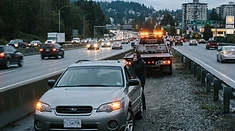
Your first priority must always be to move your vehicle as far from the active lanes of travel as possible. If the car still has some momentum, try to coast to the widest part of the shoulder, preferably away from the curve of the highway. Once the vehicle is stopped, immediately turn on your hazard lights to signal to other drivers that you are experiencing an emergency. Stay inside your vehicle with your seatbelt fastened until you have a clear understanding of the surroundings. Avoid stepping out of the vehicle on the side closest to the active lanes of traffic at all times.
- Engage your emergency hazard lights immediately.
- Attempt to steer toward the widest section of the shoulder.
- Keep your seatbelt buckled while remaining in the vehicle.
- Check your mirrors before opening any door to exit.
- Exit through the passenger side away from traffic flow.
Communicating Your Location To Emergency Support Services
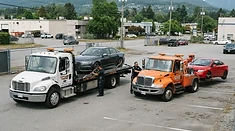
On a busy route like Highway 1, providing a precise location is essential for a prompt response. Look for the nearest highway marker post or observe the surrounding overpasses or exit signs to identify your exact position. If you are near a specific junction, such as the Brunette Avenue or Kensington Avenue exits, mention these landmarks to the operator. This information helps professional responders like the team at Alpha Towing navigate through heavy congestion to find you quickly. Avoid using vague descriptions of your surroundings if you can identify a nearby mile marker or exit number.
When calling for assistance, remain calm and clearly state that you are stopped on the shoulder of the highway. Provide the dispatcher with your vehicle make, model, colour, and your exact location relative to the nearest exit. Ensure you have your mobile device charged and ready to receive updates or instructions from your roadside provider. If you feel unsafe or notice smoke or fire coming from your vehicle, move a safe distance away from the car and onto the grass or behind a concrete barrier if one is available.
Staying Visible To Other Highway Traffic Drivers
Visibility is your primary defense against accidents while waiting on the side of the road. On grey, rainy November days common in the Lower Mainland, heavy spray from passing transport trucks can make it nearly impossible for drivers to see a dark vehicle on the shoulder. If you have an emergency kit, consider placing reflective triangles behind your vehicle to warn approaching traffic well in advance. If you do not have these tools, keep your interior lights on after dark to make your car more noticeable to those driving by at high speeds.
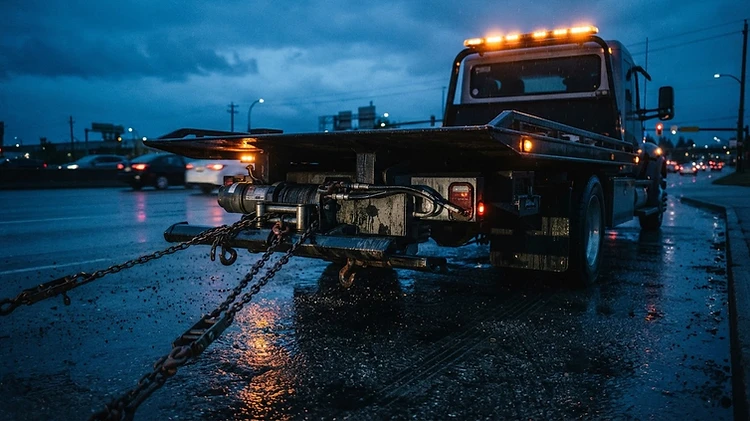
Never attempt to perform complex repairs while parked on the shoulder of a high-speed road. Changing a tire or checking an engine in this environment is extremely dangerous due to the proximity of fast-moving traffic. Your focus should remain entirely on remaining inside the vehicle or moving to a safe distance behind the guardrail if you have already exited. Trust the professionals to handle the mechanical issues and the safe recovery of your vehicle once they have arrived on the scene with the proper traffic safety equipment.
Managing Your Environment In November Weather Conditions
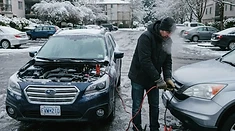
November brings unpredictable weather to Burnaby, ranging from heavy rainfall to sudden fog. When waiting in your vehicle, keep the doors locked to maintain a secure environment. If the engine is completely dead and you cannot run the heater, ensure you have warm clothing readily available in your vehicle year-round. Dressing in layers can keep you comfortable while you wait for a service truck to arrive. Monitor the weather reports and be prepared for changing conditions, as wind speeds on open sections of the highway can significantly affect your vehicle's stability while stationary.
Avoid distracting yourself with your phone while waiting for help. Keep your attention directed toward the traffic flow to ensure you remain aware of any developing situations around you. If a police vehicle or an official highway patrol unit stops to assist, follow their instructions carefully, as they are trained to manage traffic flow and ensure your safety during these roadside incidents. Patience is a critical part of the process, as traffic congestion on Highway 1 can sometimes slow down the response time for service vehicles trying to reach your location.
- Move your vehicle as far onto the shoulder as possible and engage your hazard lights immediately.
- Identify your location using nearby exit signs or highway mile markers for an accurate report.
- Remain inside your vehicle with seatbelts fastened or retreat behind a guardrail if you must exit.
- Avoid performing any repairs or maintenance on the side of a busy, high-speed highway.
- Keep your mobile phone charged to coordinate safely with service providers.
Stuck right now?
Alpha Towing dispatches 24/7 across Burnaby, Surrey and the Lower Mainland. A live dispatcher answers every call.
CALL (778) 488-5599